

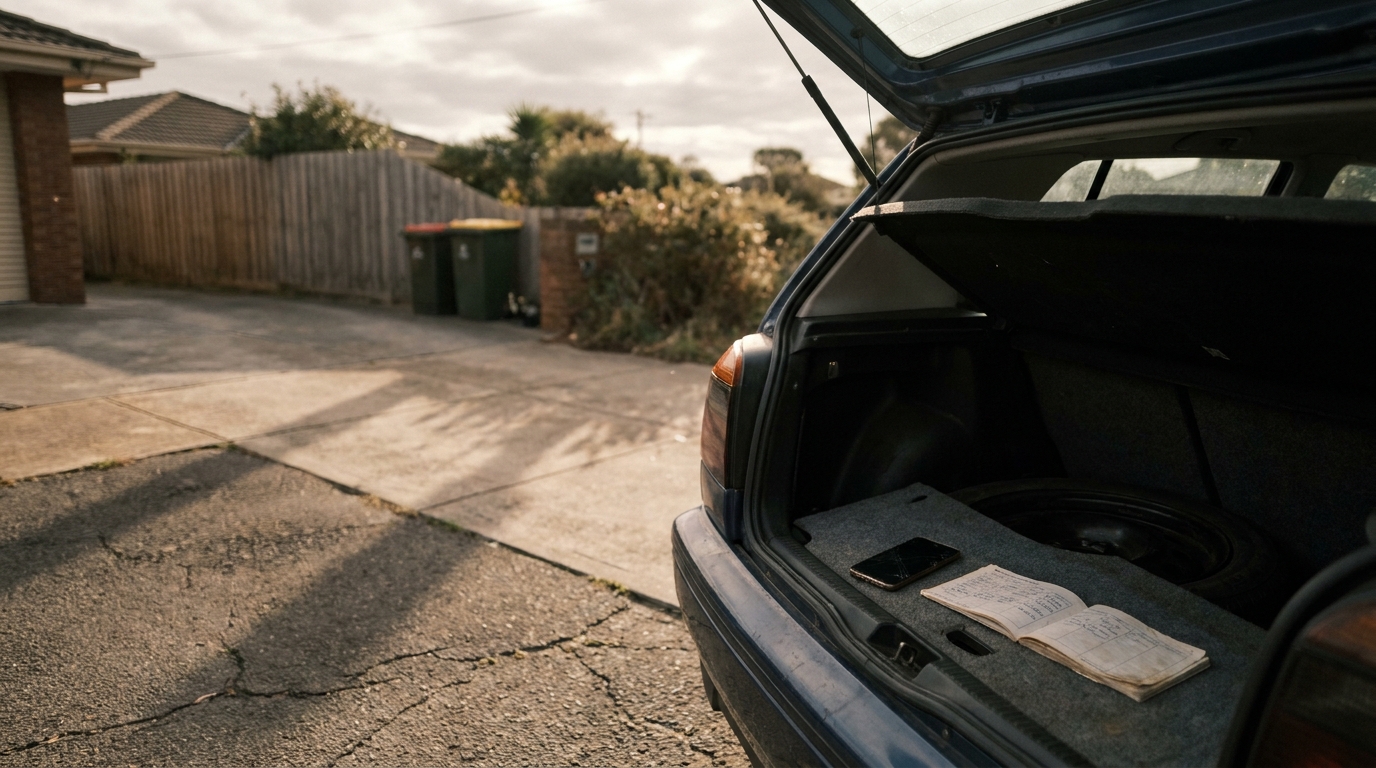
When someone buys a car interstate, they cannot kick the tyres or run their hand across the paint. Every decision, including whether to pay a deposit, arrange transport or fly up to collect, happens based entirely on what you show them. That shifts enormous weight onto your photos.
Selling car interstate Australia photos need to work harder than local listings. A buyer in Perth looking at your car in Brisbane is doing quiet risk analysis with every image. They are not just checking if they like the car. They are looking for reasons to trust you or reasons to walk away. Your photo set is your credibility.
The difference between a local sale and an interstate one is not just distance. It is that the buyer has zero opportunity to verify anything until money has changed hands. That reality should shape every image you take.
Why Interstate Sales Demand a Different Photo Approach
Local buyers use photos to decide if a car is worth inspecting. Interstate buyers use photos to decide if a car is worth buying. That is a fundamentally different job for the same images.
When someone can pop around on Saturday morning, a few decent exterior shots and a clean interior might be enough to get them through the door. Once they are there, they can check everything themselves. But when your buyer is 2,000 kilometres away, those photos are no longer a preview. They are the inspection.
This means moving beyond the standard angles. You need to document the car as if you were preparing evidence, not marketing material. The goal is not to make the car look its best. The goal is to answer every question a buyer would ask if they were standing in front of it.
The Condition Proof Shots Remote Buyers Expect
Interstate buyers have learned to be suspicious. They have seen listings with flattering angles that hide panel damage, or interiors shot so dark you cannot see stains on the seats. Your job is to give them nowhere to hide, so they trust there is nothing hidden.
Start with the standard angles every online listing needs, then add the proof shots:
Tyres: Get close enough to show tread depth on all four. A photo of a tyre from three metres away tells a buyer nothing. Crouch down, shoot each tyre individually, and include the brand if it is visible.
Odometer: A clear, well lit shot of the current kilometres. This seems obvious, but a blurry dashboard photo makes buyers wonder what you are hiding.
Paint condition: Walk around the car in good natural light and photograph any scratches, chips, or dents. If there are none, photograph the panels anyway from angles that would reveal them.
Underbody: If you can safely get a shot of the undercarriage, particularly for 4WDs or older vehicles, do it. Rust underneath is a dealbreaker that photos rarely show.
Engine bay: Even if neither you nor the buyer knows what they are looking at, a clean engine bay suggests a car that has been looked after. A filthy one raises questions.
Showing Wear Honestly So There Are No Surprises at Delivery
Here is where interstate sales go wrong: sellers use photos to hide problems, the car arrives, and the buyer sees the reality. Now you have an angry person who just paid for interstate transport standing in front of a car that does not match the listing.
The solution is radical honesty in your images. If the driver's seat has bolster wear, photograph it in good light. If there is a crack in the dashboard, show it. If the alloys are kerbed, include that. Honest photo editing that keeps the dents visible is more valuable to an interstate sale than any amount of polish.
This is not about underselling your car. It is about setting accurate expectations. A buyer who knows about the door ding before they buy is far easier to deal with than one who discovers it on delivery.
Cardabra can clean up distracting backgrounds and blur your rego plate without touching the condition of the car itself. That means your final images look professional and trustworthy, but every scratch and scuff remains visible. For interstate buyers doing their risk analysis, that transparency is exactly what builds confidence.
Documenting Service History and Paperwork in Photos
Interstate buyers cannot flick through your logbook in person, so bring the logbook to them. Photograph:
Service stamps: Each page with a stamp, clearly readable. If the book is full, photograph every stamped page.
Recent receipts: Major work like timing belts, brake replacements, or suspension repairs. Lay them flat, photograph them clearly.
Rego papers: Current registration showing expiry date.
RWC or safety certificate: If you have one, photograph it. If you are getting one done, check the documentation photos guide for what to capture during the process.
These images do not need to be in your main listing necessarily, but having them ready to send builds trust faster than any sales pitch. When a buyer asks about service history, responding with six clear photos within an hour signals that you are organised and have nothing to hide.
How to Handle Buyer Requests for Extra Images
Once an interstate buyer is interested, they will ask for more photos. This is good. It means they are seriously considering your car.
Respond quickly and completely. If they ask for a photo of the rear seats, take three angles and send all of them. If they want to see the boot space, photograph it empty and include the spare tyre well. Over deliver on photo requests.
Some requests will feel paranoid. A buyer might ask for a photo of the VIN plate, or a shot of the car next to that day's newspaper. These are not insults. These are sensible precautions from someone about to send thousands of dollars to a stranger. Buyers often reverse image search listings to check for scams, so demonstrating the car is real and currently in your possession is reasonable.
Keep your response time under a few hours if possible. Interstate buyers are often comparing multiple cars and will move on to whoever responds first with the information they need.
When Video Walkarounds Add Value and When They Do Not
Video seems like the obvious solution for interstate sales. In practice, it is useful in specific situations and unhelpful in others.
Video works well for:
Cold start and idle: Showing the engine starting from cold and idling smoothly answers questions about mechanical condition that photos cannot.
Interior electronics: Demonstrating that the air conditioning blows cold, the infotainment works, and all the windows go up and down.
Walk around condition: A single continuous shot around the exterior in good light, without edits or cuts, proves the car looks the way your photos suggest.
Video does not work well for:
Replacing good photos: A shaky phone video is harder to examine than a sharp still image. Buyers cannot zoom in on a video frame.
Hiding behind motion: Some sellers use fast moving video to obscure problems. Experienced buyers know this and will be more suspicious, not less.
Poor audio quality: An engine video where you cannot hear the engine is worthless.
If you make a video, keep it under two minutes, shoot in landscape, and let the camera linger on details rather than sweeping past them. Upload it unlisted to YouTube and share the link.
Bringing It All Together
Interstate buyers are not harder to sell to than local ones. They just need more information upfront. The photo set that works for a local sale, eight to ten decent shots, needs to expand to fifteen or twenty detailed images that document rather than just display.
Clean up distractions with tools like Cardabra so your backgrounds are not competing with the car for attention. But keep every mark, every wear point, every honest detail visible. That combination, professional presentation with transparent condition, is what converts a distant enquiry into a confident deposit.
The extra twenty minutes spent photographing service records and tyre tread will save you hours of back and forth messages, and potentially save a sale that falls apart when reality does not match expectations.
FAQ
How many photos should I include in an interstate car listing?
Aim for fifteen to twenty five images covering every angle, plus close ups of wear points, service history and documentation. This is more than most local listings need, but interstate buyers cannot inspect in person so your photos must do that job. Quality matters more than quantity, but thoroughness builds trust.
Should I pay for a pre purchase inspection for interstate buyers?
Offering to arrange an independent inspection at the buyer's expense is reasonable and shows confidence in your car's condition. Many interstate buyers will request this anyway. Having a mechanic they choose inspect the vehicle removes a significant barrier to purchase and protects both parties.
What is the best way to send extra photos to interested interstate buyers?
Use whatever method gets them there fastest, usually a messaging app or email. Compress images only if necessary for sending. Respond to photo requests within a few hours if possible, and always send more angles than requested. Over delivering on information signals you have nothing to hide.
Do I need to disclose AI edited photos when selling interstate?
Australian consumer law requires accurate representation of the vehicle's condition. If your editing removes distracting backgrounds without altering the car itself, that is generally fine. If editing conceals damage or misrepresents condition, you have a problem regardless of whether the buyer is local or interstate. Disclosure requirements depend on what the editing actually changed.
Turn your phone snaps into showroom-grade listings.
Upload a photo, pick a background, and Cardabra returns a polished listing image in about 30 seconds.